




Photography
Seasonal Photography Portfolio Ideas: What to Shoot in Each British Season
September 30, 2026
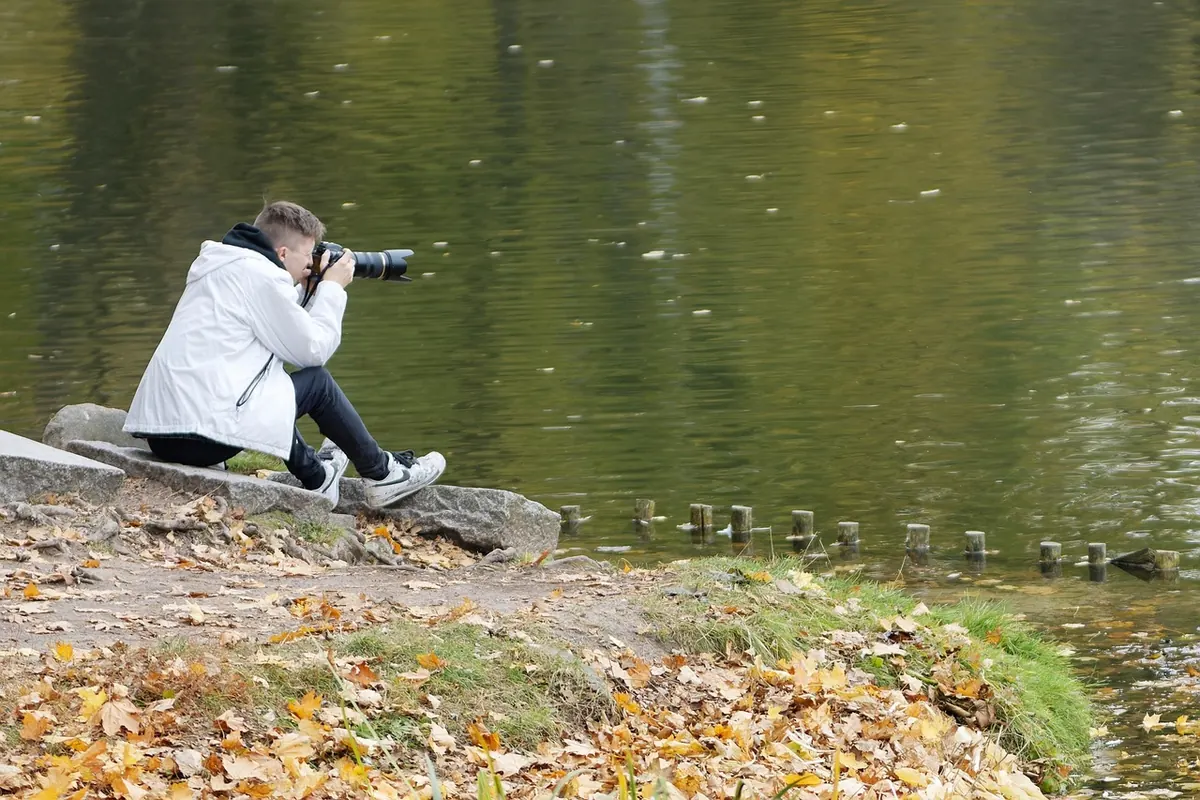
Every British season hands you a different palette, a different quality of light and a different set of subjects. The photographers whose portfolios stay interesting are rarely the ones flying somewhere exotic; they are the ones who notice that the same lane behind the house looks nothing like itself in February fog and June sun. Shooting to a seasonal rhythm also solves a practical problem: it gives you a reason to pick up the camera when the obvious subjects have gone quiet, and it builds a body of work with a natural shape.
Spring: Catch the Colour Before the Canopy Closes
Spring in the UK is short and easily missed. Bluebells are the obvious marker, and timing matters: in most years the best of them fall in late April and the first fortnight of May, though a warm spell can bring them on a fortnight early. Beech and oak woodland usually gives the finest carpets, partly because the canopy comes late enough to let light down to the forest floor. Get there before the dog walkers, drop the camera low, and use a single stem as a foreground against a soft sea of blue.
Other spring subjects worth a place in your portfolio:
- Wild garlic, a few weeks after the bluebells, backlit in damp shade.
- Blossom — blackthorn in March, cherry and apple in April, hawthorn in May. Underexpose slightly to hold detail in the petals.
- Lambs and newborn livestock, shot on a long lens from a footpath so you never disturb the flock.
- Rain: wet windows, droplets on petals, reflections in puddles. The honest face of a British spring.
Summer: Long Days, Harsh Light, Better Evenings
Midday sun in July is unkind, so move your shooting to the edges of the day. Golden hour lasts longer here than most photographers allow for, and blue hour stretches past ten in the north. Sunrise at half four is a commitment, but the coast at that hour is often yours alone.
Summer is the season for water and coast: rock pools at low tide, long exposures of a flat sea, harbour walls, swimmers, the bleached light of a seaside town. Heather turns the moors purple from late July, and lavender fields give blocks of colour no other month offers — always check access and opening times before you travel.
When the light is hard
Look for shade and contrast instead of fighting it: doorways, awnings, arcades, market stalls. Street photography thrives in this weather, and so does anything with strong geometry. A polarising filter controls reflections on water and cuts through haze, at the cost of a stop or two of light.
Autumn: The Season That Flatters Almost Everything
Autumn does half the work for you. Mist sits in the valleys until mid-morning, the sun stays low all day, and the colour shifts week by week, so a location you shot in September is worth a second visit in late October.
Build a set from the small things as well as the big vistas: fungi on a woodland floor, wet leaves on tarmac, dew-heavy spider webs, conkers, bracken turning rust-red. If you photograph deer during the rut, keep well back, use a long lens and stay on the path; disturbance is never worth the frame.
The season suits cities too — plane trees in town parks, canal reflections, commuters under umbrellas. Resist over-saturating in the edit. The muted greys, ochres and greens of a damp October day are the point.
Winter: Shoot Less, Better
Winter light is short and low, which is exactly why it works. Shadows stretch across a field by two in the afternoon, bare trees read as line drawings against a pale sky, and frost turns an ordinary verge into something worth stopping for. Snow is rare enough in most of the country to count as an event: know where you would go, keep your batteries charged, and be out before it turns to slush.
When the weather refuses to cooperate, take the season indoors. A windowsill still life in flat grey daylight, portraits by a single lamp, hands at work, a steam-covered window — these fill the gaps in a portfolio that is otherwise all landscapes. Winter is also the time for minimal, high-key images and for the coast in a storm, provided you stay well back from waves and cliff edges and never turn your back on the sea.
Turn Each Season into a Project
A portfolio made from whatever caught your eye each week tends to look like a scrapbook. One built from six small projects looks deliberate. Pick a single idea per season, give it a title, and shoot it as a set of twelve to twenty frames with a consistent approach to light and editing.
The most reliable structure is the repeat visit: the same tree, bench or stretch of coastline, photographed once a month for a year. Shot from the same spot at the same time of day, the series shows the seasons changing rather than telling the viewer about them. A triptych habit — three related images shown together — is a quick way to test whether a set holds.
Practical Notes for a British Calendar
- Check sunrise, sunset and tide times before you leave; a two-hour window at either end of the day is usually enough.
- Carry a lens cloth and a microfibre towel. Drizzle, spray and condensation on a cold lens ruin more frames than bad composition.
- Keep a waterproof layer for yourself as well as a cover for the camera. An umbrella held by a patient friend is underrated gear.
- Shoot RAW so you can lift a pale sky and open up dark woodland on a grey day.
- Keep three nearby locations that work in poor weather — a church interior, a market, a covered arcade — so a change in the forecast does not waste the trip.
Keeping the Portfolio Fresh All Year
Once each season, do the boring part. Review what you shot, cut hard, and add only the three or four strongest frames. Group them by season or by project so visitors can see the year unfold, and rotate the selection as new work arrives rather than letting the gallery grow
Photo: Icsilviu / Pixabay
Related posts
More stories you’ll love reading